


As NASA prepares for the launch of Artemis II – the first crewed mission to orbit the Moon in over half a century – we too turn our gaze skyward with a special webinar for EAGE members.
What: Geophysical Activities in Space Exploration – Shaking on the Moon!
When: 22 April 2026 | 16:00 – 17:00 CEST
Where: Online
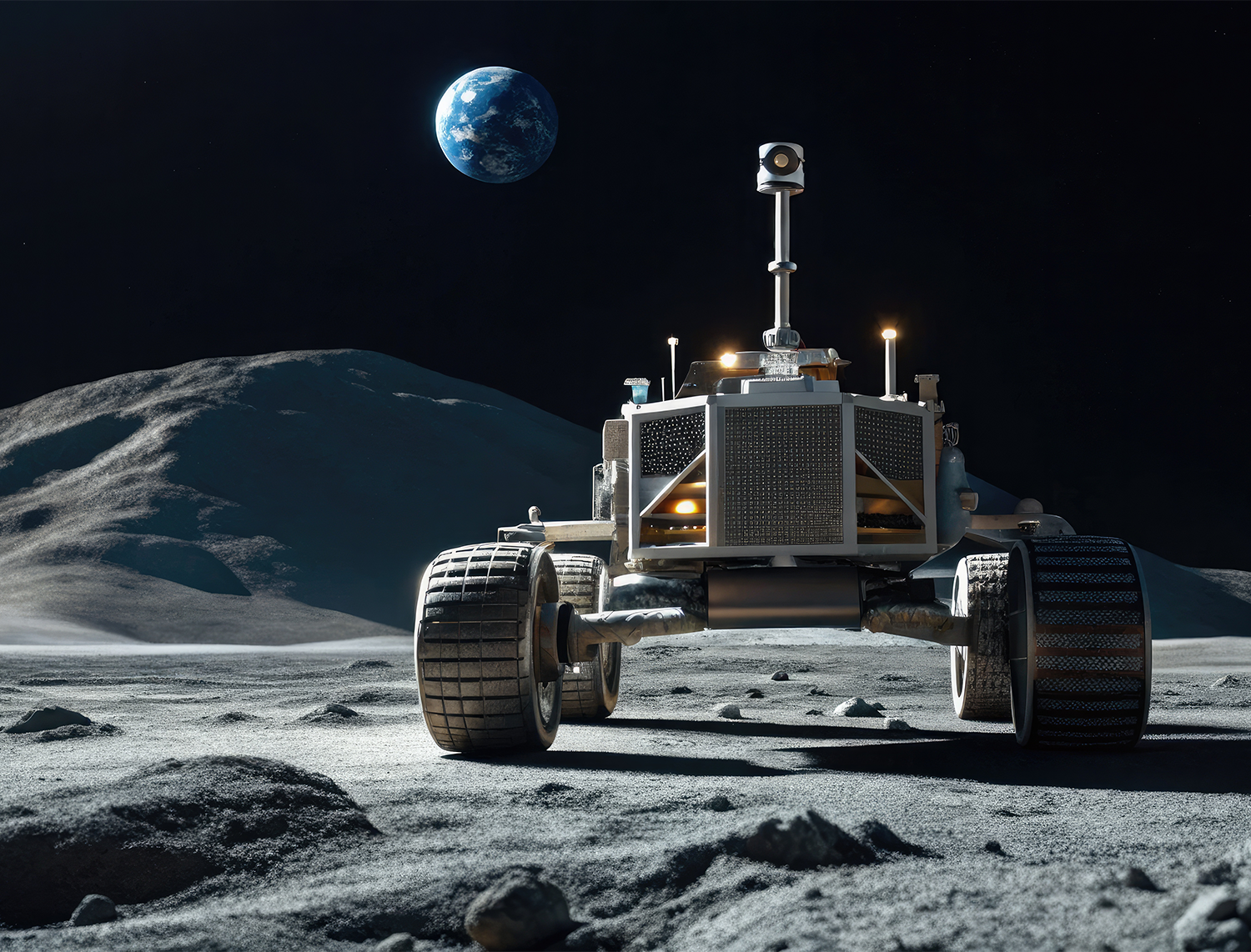
Building on the success of the Artemis I uncrewed flight in 2022, this next step of the Artemis program paves the way for a new generation of missions, including landing astronauts on the lunar South Pole in later missions and future exploration of Mars.
But how did we get here? The webinar will reflect on the journey that has brought us to this moment. Picture this: a quest that stretches far beyond Earth, where scientists and explorers set their sights on the silent, ancient landscapes of the Moon. The story begins in the 1970s, during the Apollo missions, when astronauts placed seismic sensors on the lunar surface. With each controlled explosion and every recorded moonquake, they began to build a basic picture of the Moon’s internal structure.
Since then, humanity’s curiosity leapt across the void of the solar system with some of them dedicated to a better understanding of distant worlds, but also exposed the limits of our knowledge, having detected only mainly broad outlines, with few details about the shallow subsurface where hidden treasures might lie. The subsurface – where water, valuable minerals, and rare gases might slumber – remained largely mysterious.
But over the past decade, there has been growing interest in our Moon resources, including water for refueling rockets and commercially valuable minerals and gases such as helium-3, which is seen as a possible fuel for future nuclear fusion. Some space agencies, including NASA and the Luxembourg Space Agency (LSA), are advocating for legal frameworks to regulate the commercialization of these resources. At the same time, other organizations, including private companies, are increasing the number of In-Situ Resource Utilization (ISRU) missions to the lunar surface to test their technologies.
In this webinar, supported by the EAGE Seismic Acquisition Technical Community and led by guest speaker Bruno Pagliccia, we will review the main findings from these activities, especially seismic methods. We will also discuss the importance of collaboration between the oil and gas sector and the space community as the race to explore Moon resources accelerates. The webinar will offer a preview of the dedicated session planned at the EAGE Annual in Aberdeen, “Geosciences for Space Resources Exploration”, which aims at triggering this potential collaboration where some space related start-ups and agencies will show how this exploration may start as soon as the end of this year.
 Bruno Pagliccia, a senior acquisition geophysicist and space exploration advocate, will guide us through this journey. With a career that bridges traditional geophysics and forward-looking space innovation, Bruno brings a rate and insightful perspective to the evolving role of geoscience in space exploration. Active in the industry since 1998 with a strong focus on onshore geophysics, Bruno has audited seismic crews in remote locations and contributed to innovative acquisition projects—including one on robotics and automation at TotalEnergies. From 2020 to 2022, he founded and led a Luxembourg-based start-up exploring the use of seismic techniques for space resource exploration. During this time, he collaborated with space agencies and private sector partners to assess the feasibility of deploying seismic sensors on the Moon. While funding for a pilot was not secured, he continues to champion the use of adapted Earth-based methodologies for seismic surveys on the Moon and Mars.
Mark the Launch Window!
EAGE members can join for free. Not a member yet? Join or renew now to take advantage of opportunities like this, along with exclusive benefits such as discounts on events and courses, access to EarthDoc, and a wide range of learning resources.
Let’s explore how geoscience can shape the future – on Earth and beyond.